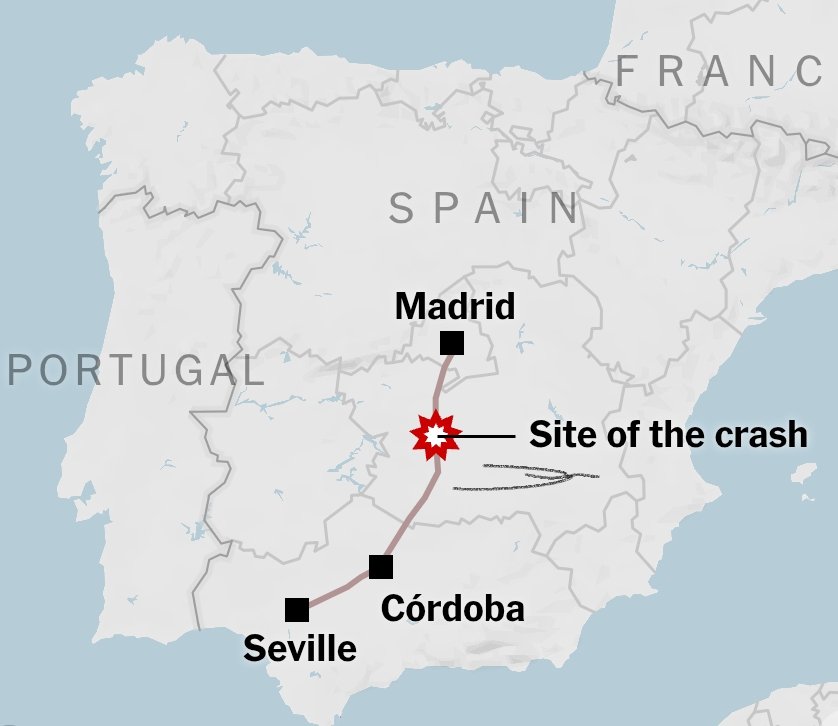

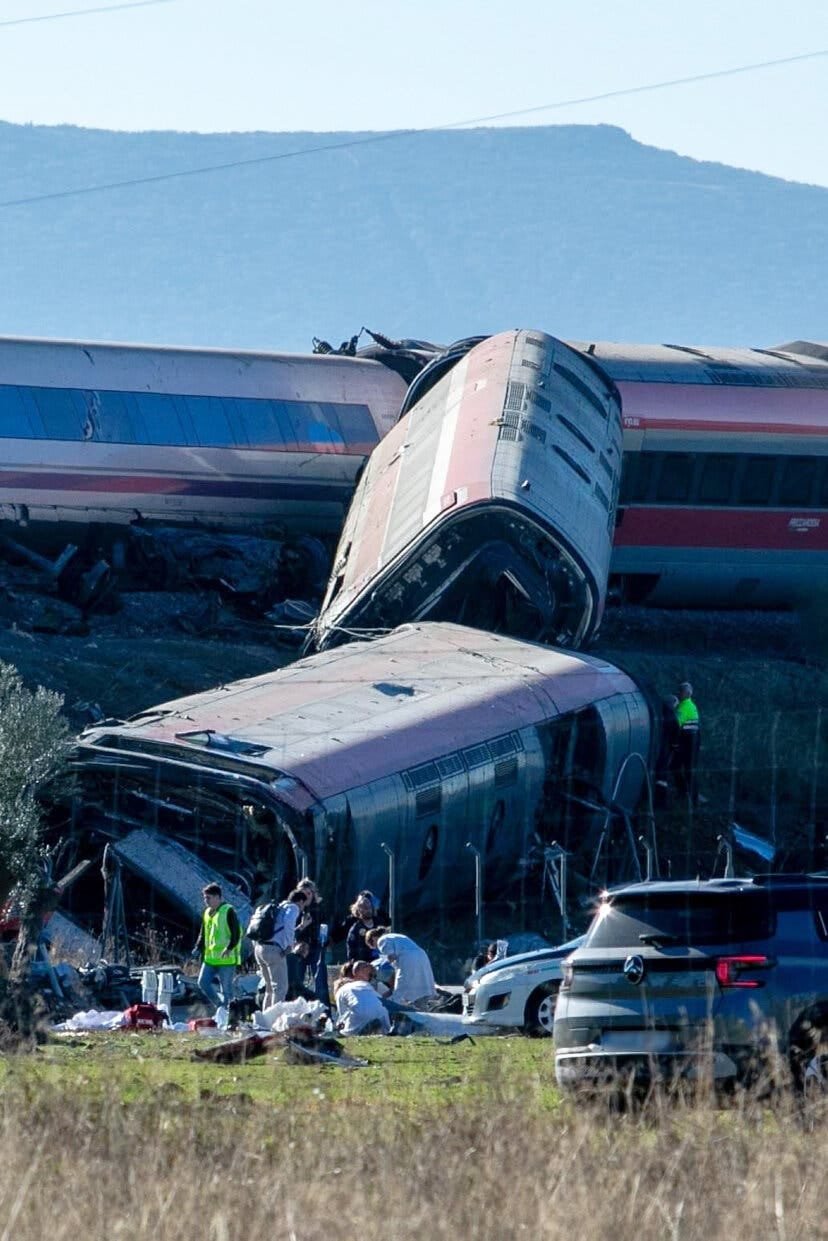
One high-speed passenger train rear-ended another one near Toledo, months after a crash involving the same carriers killed dozens and stunned the country.
A tragic high-speed train collision occurred near Toledo, Spain, on Wednesday morning, leaving at least 30 people dead, according to regional authorities. The violent rear-end crash caused several carriages to derail and plunge down an embankment.
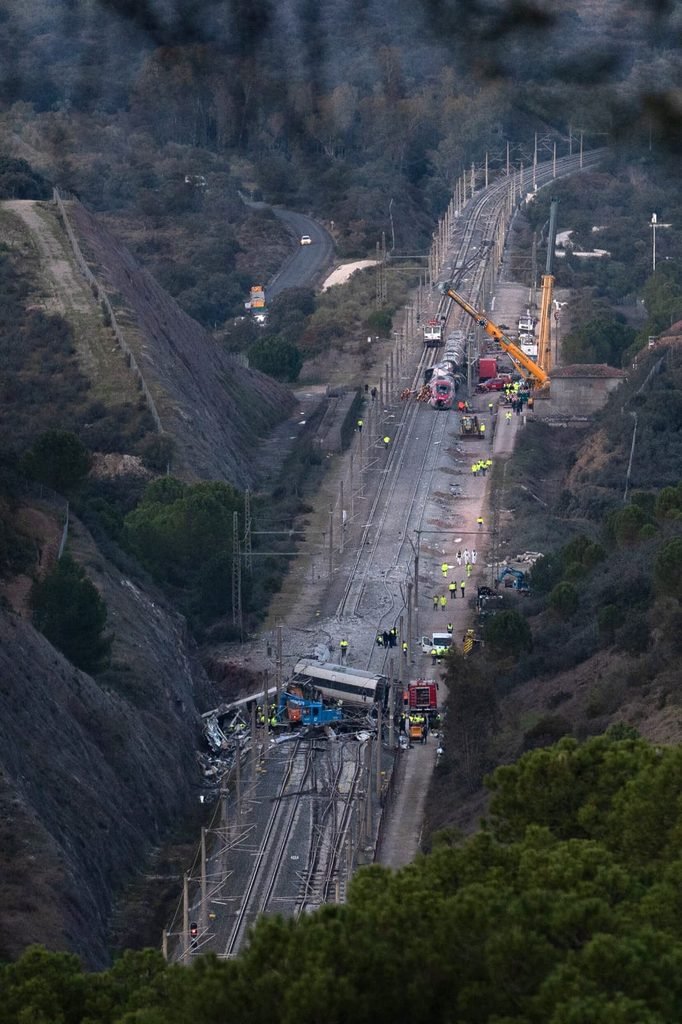
This latest disaster comes just months after another devastating rail crash on a southern line in January, which took 46 lives. That earlier accident deeply rattled Spain and raised serious concerns about the safety and reliability of the nation’s once-celebrated high-speed rail network.
Emiliano García-Page, the president of the Castilla-La Mancha region, confirmed the current death toll of 30, warning that the figure could rise as rescue operations continue. He also noted that approximately 80 people were injured, with 50 of them suffering from severe injuries.
The exact cause of the collision remains under investigation.
Eyewitness accounts in Spanish media painted a terrifying picture of the moment of impact. Passengers described being violently thrown across cars—including the dining carriage—resulting in broken limbs and people trapped under one another. Survivors managed to crawl out of broken windows into a nearby field, where local workers who heard the crash rushed over with first-aid kits to assist the injured and comfort victims before emergency crews arrived.
Spain’s rail infrastructure authority, Adif, stated that the incident involved a Renfe train and an Iryo company train, both operating on the busy Madrid-Seville route. Renfe, the national rail operator, announced that all high-speed train services between the capital, Madrid, and the southern region of Andalusia have been suspended until further notice.
Preliminary findings suggest that the Iryo train had come to a stop on the tracks when the trailing Renfe train collided with it from behind. According to local news reports, there were 397 passengers aboard the Renfe train and around 150 on the Iryo train.
Isaac Barrientos, a spokesperson for the Spanish Ministry of Transport, confirmed that initial reports indicate at least two carriages of the Iryo train derailed during the collision.
With Spain’s early national elections scheduled for late November, the disaster is expected to become a central focus in an already intense political campaign, raising questions about the management and oversight of Prime Minister Pedro Sánchez’s left-wing government.
Prime Minister Pedro Sánchez canceled his official schedule and expressed his condolences online:
“Shocked by the serious train accident in Toledo. Emergency services are working on the ground to assist those affected and ensure their safety, in coordination with all the involved administrations. My affection, solidarity and support to all the victims and their families.”
Meanwhile, the leader of the conservative opposition, Alberto Núñez Feijóo, also reacted quickly to the tragedy, writing on social media:
“I am very concerned about the information we are receiving regarding another train accident. The priority now is to assist the victims and support their families. My full support goes to the emergency teams working on the ground.”
Following the incident, the opposition Popular Party announced the immediate cancellation of all its campaign events across the country.