
In Tight Israeli Election, Leading Parties Face Tough Path to Power.
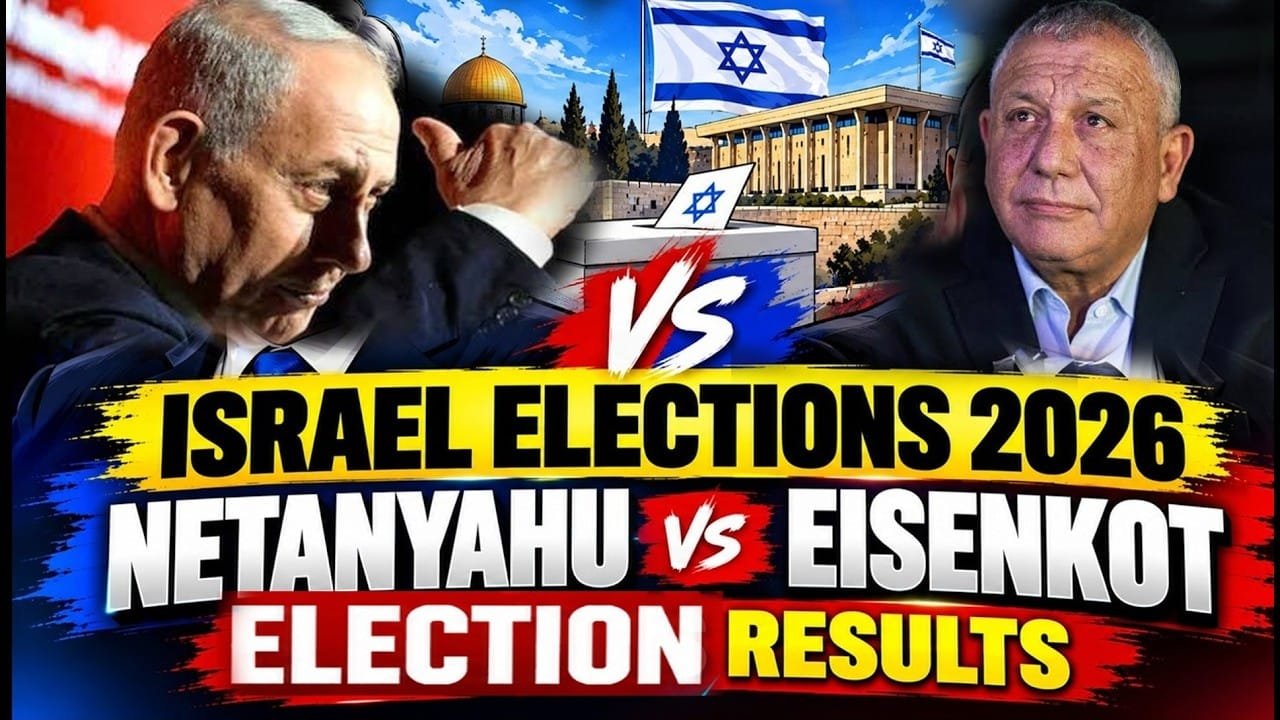
Neither Prime Minister Benjamin Netanyahu nor his main challenger, Gadi Eisenkot, were projected to gain a parliamentary majority. The close race set the stage for weeks of negotiations over the next government.
Here’s the Latest
Israelis are bracing for what could be weeks of political gridlock, as exit polls and initial results showed no clear winner in a national election that many have described as a make-or-break moment for the country.
If neither Prime Minister Benjamin Netanyahu’s hard-line alliance, nor a bloc of opposition parties led by Gadi Eisenkot, win enough seats to form a government, both would need to find support from outside their blocs for backing as prime minister.
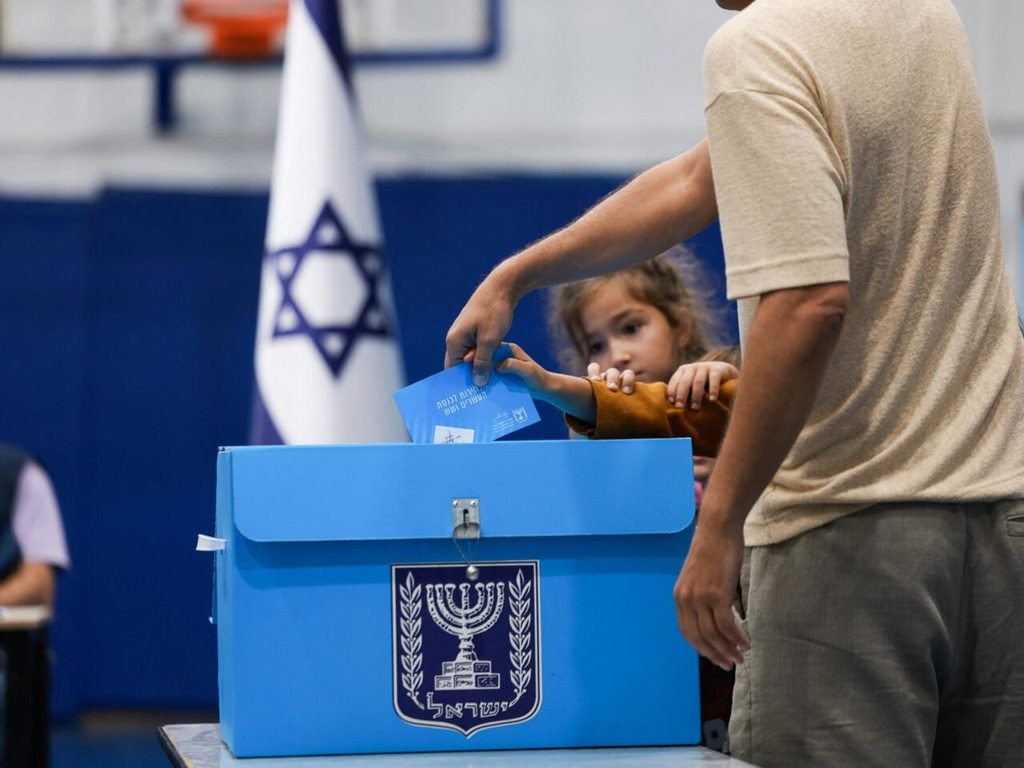
By early Wednesday afternoon, election officials had counted more than 70 percent of ballots. The votes counted so far—alongside the exit polls—indicated that neither bloc would reach the 61 seats needed to secure a straightforward majority in the Knesset, Israel’s Parliament.
Key Coalition Dilemmas
Some of Mr. Netanyahu’s allies are floating the idea that he could join Mr. Eisenkot and other centrists to form a broad unity government to stay in power. For Mr. Netanyahu, who remains as a caretaker prime minister until a government is formed, that would be a comfortable scenario, as long as he remained on top.
His primary rival, Mr. Eisenkot, faces a thorny dilemma of his own: He has denounced Mr. Netanyahu as unfit to lead Israel, but he has also objected to partnering with Arab parties in a potential coalition. The two Arab parties are projected to win as many as 17 seats—a remarkable show of strength that could make them Mr. Eisenkot’s only path to toppling Mr. Netanyahu.
On Wednesday, Mr. Eisenkot did not explicitly mention the Arab parties and instead pledged to build “a stable Zionist government.”
Record Turnout & Post-Election Speeches
Turnout in Tuesday’s election, widely seen as a referendum on Prime Minister Benjamin Netanyahu’s far-right government, was the highest in at least a quarter-century. It was the first election since the Hamas-led Oct. 7, 2023, attacks ignited three years of war.
Most of the votes were expected to be counted by Wednesday, though the final tally could take days. Lengthy negotiations could follow as political parties try to assemble a governing majority. If those negotiations fail, the country could head to a second round of elections—a scenario that has played out before. For Mr. Netanyahu, playing down the clock in the hope of securing a stronger showing in a fresh election could be his strongest shot at retaining his role as prime minister.
The uncertainty did not stop the leading candidates from making triumphant late-night speeches to their supporters.
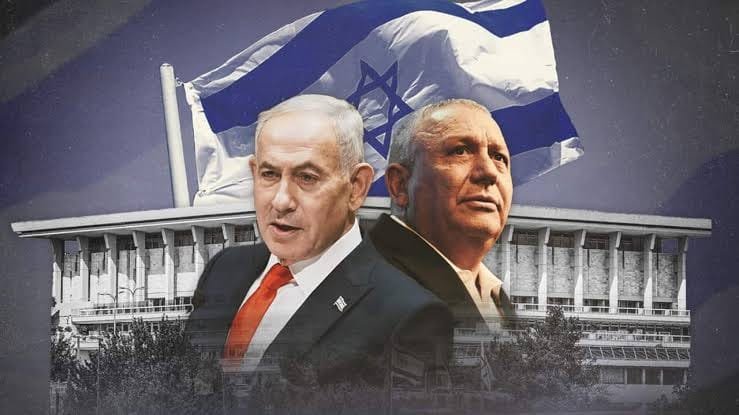
Mr. Eisenkot, a former Israeli military chief of staff, struck a defiant tone toward Mr. Netanyahu, saying:
”Tonight we got the answer: The public opted for change.”
A few hours later, Mr. Netanyahu told supporters that his party, Likud, had emerged as the largest in Israel:
”We must form a strong right-wing government.”
Additional Highlights
Initial Results: The 70 percent of the votes counted indicate that Mr. Netanyahu’s coalition will receive about 54 seats, Mr. Eisenkot’s bloc will get roughly 49, and the Arab parties will reach 17. However, these numbers could still shift.
Special Votes Pending: The exit polls do not reflect the hundreds of thousands of votes cast at special polling stations, including military bases, hospitals, prisons, and embassies. In Israel’s 2022 election, those votes tended to favor Mr. Netanyahu and his allies.
President Herzog’s Role: President Isaac Herzog of Israel holds a largely ceremonial position, except after national elections, when it falls to him to select a potential prime minister to attempt forming a government.
Tensions Over Regional Security: Following reports that Mr. Netanyahu has been pushing for renewed attacks on Iran, Mr. Eisenkot warned him against abusing his power as caretaker prime minister. “Netanyahu, don’t dare use Israel’s security for your political needs,” he stated in his post-election speech.